Attard | Malta
Attard sits quietly in the island’s interior, defined less by fortification and more by greenery. Unlike Malta’s coastal capitals, Attard feels residential and composed a district of villas, mature gardens, and wide, sunlit streets. The atmosphere is measured. Traffic softens. Architecture lowers in scale.
This is part of Malta’s “Three Villages,” historically associated with nobility and country estates. The pace reflects that lineage. Attard does not perform for visitors; it functions as a lived-in enclave where heritage unfolds through landscape rather than skyline.
Where to Stay
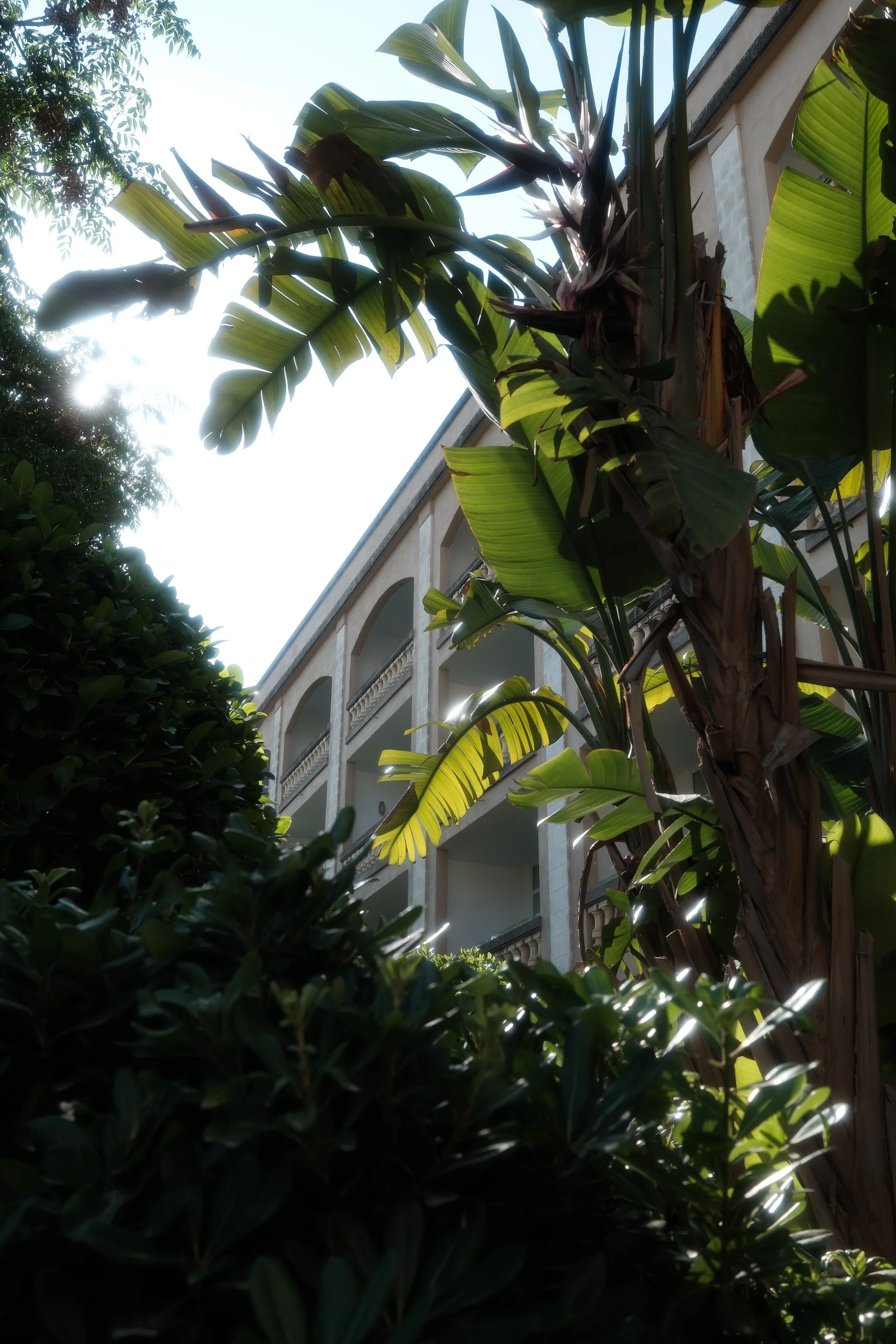
Corinthia Palace Malta
Set adjacent to the presidential residence and surrounded by landscaped grounds, Corinthia Palace Malta anchors Attard with quiet authority. The original villa façade remains intact, lending heritage weight, while the broader property expands into a full-scale resort environment.
Gardens frame the approach; palms and manicured hedges soften the architecture. The pool is generous and symmetrical, positioned for both leisure and composure. Interiors balance classic detailing with contemporary comfort marble surfaces, warm textiles, restrained color palettes.
This is a property for travelers who prefer space. Unlike Malta’s denser historic cores, Corinthia Palace offers air and privacy. It suits those who want proximity to heritage sites without sacrificing grounds, wellness facilities, and structured calm.
Historic & Natural Landmarks
San Anton Gardens
The defining landmark of the area is San Anton Gardens, an expansive botanical garden adjoining the presidential residence. Gravel pathways wind through palms, citrus trees, sculpted hedges, and stone fountains positioned with deliberate symmetry. The layout is axial and composed, reflecting centuries of cultivated landscape design rather than ornamental excess.
Seasonal plantings introduce subtle variation throughout the year, while mature trees establish scale and shade. Benches are positioned intentionally, encouraging pause rather than transit. The gardens feel structured but not rigid formal in geometry, softened by Mediterranean planting. Light filters through layered foliage, casting patterned shadow across limestone paths.
The adjacent San Anton Palace reinforces Attard’s historical positioning within Maltese governance and aristocracy. Originally constructed in the 17th century and later expanded, the palace continues to serve as the official residence of Malta’s President. While access to the building itself is limited, its presence shapes the character of the grounds. This is heritage expressed through greenery rather than stone bastions a reminder that Malta’s architectural narrative extends beyond fortified cities into cultivated estates and structured landscape.
Villa Bologna
Villa Bologna is one of Malta’s most significant private estates, located in Attard within the historic “Three Villages.” Built in the 18th century by the noble Testaferrata Bonici Ghaxaq family, the villa remains privately owned and is still associated with Maltese aristocratic lineage. Unlike fortified cities or coastal palazzos, Villa Bologna expresses status through landscape and proportion rather than defense.
The architecture reflects Baroque influence with restrained symmetry a dignified façade framed by formal gardens. The grounds are the estate’s defining feature: tiered terraces, ornamental fountains, citrus groves, and structured pathways that create a sense of cultivated order. The garden layout reflects European aristocratic influence while remaining distinctly Mediterranean in planting and material.
The Gardens
The formal gardens are open to the public on select days and are widely regarded as some of the most refined in Malta. Water features and axial pathways create visual alignment, reinforcing the estate’s architectural discipline. Mature trees provide depth and shade, and the planting strategy balances structure with softness.
Villa Bologna Pottery
One of the estate’s most distinctive elements is Villa Bologna Pottery, established in 1924. It remains one of Malta’s most recognized ceramic producers, known for hand-crafted tiles, tableware, and decorative pieces inspired by traditional Maltese motifs. The pottery workshop and shop on-site extend the estate’s cultural relevance beyond architecture into design craftsmanship.
Cultural Significance
Villa Bologna represents inland Malta at its most cultivated. It is not monumental in scale, but it is historically layered aristocratic residence, working estate, design workshop, and garden landmark. For visitors to Attard, it offers context: a window into Malta’s landed heritage and the quieter, residential dimension of the island’s history.
Where To Dine
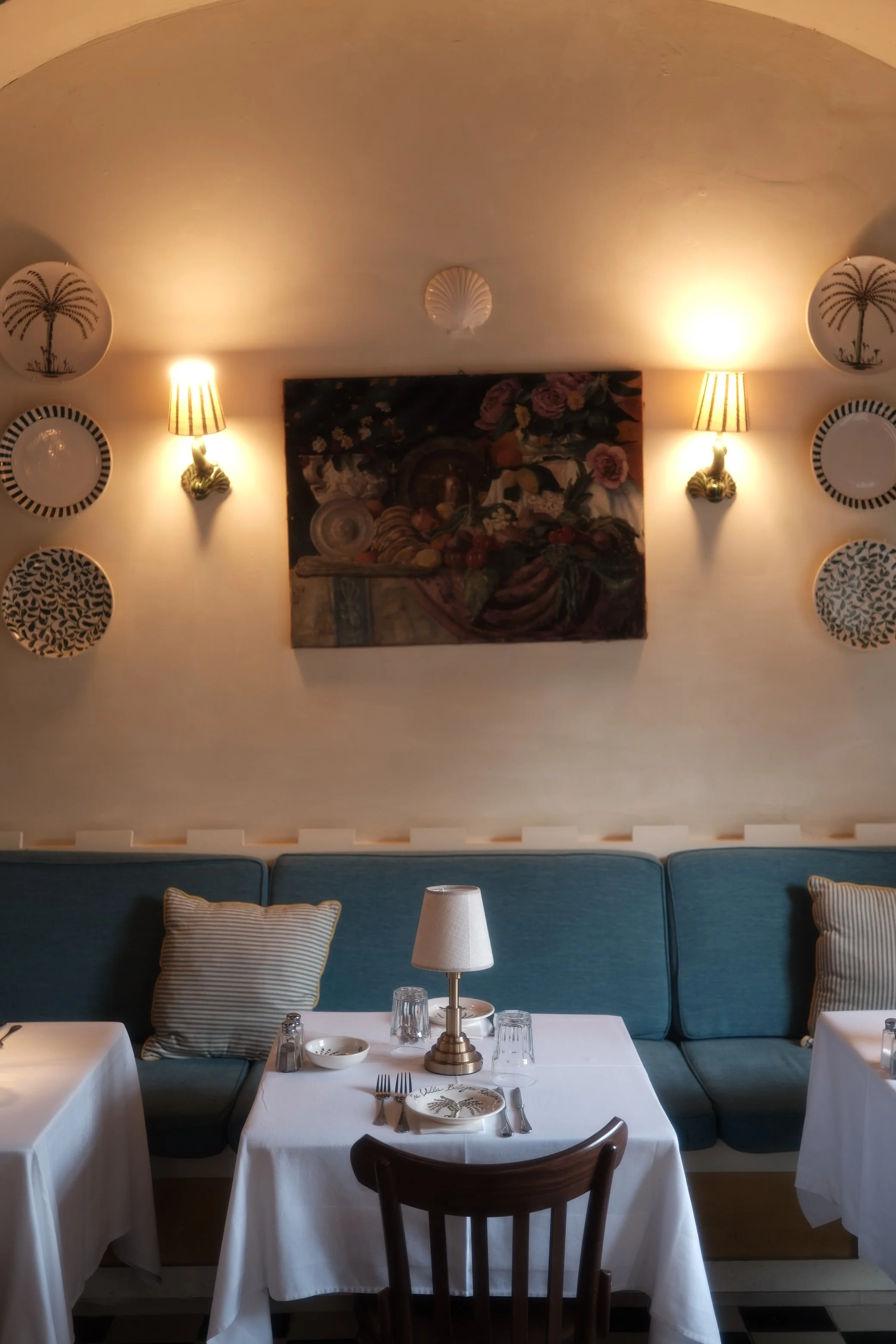
Villa Bologna
At Villa Bologna Restaurant, dining unfolds within one of Malta’s most distinguished historic estates. The setting formal gardens, stone terraces, shaded tables positioned beneath mature trees reinforces Attard’s residential refinement. The experience begins with approach: gravel underfoot, clipped hedges, limestone façades softened by greenery.
Seating extends into the garden in a way that feels integrated rather than appended. Architectural lines remain visible from every angle, yet the surrounding planting tempers the formality. Tables are spaced with intention, preserving privacy and proportion. Light shifts gradually across the terrace as evening progresses, candlelight replacing daylight without altering the composed atmosphere.
Meals here feel inseparable from their environment. The cadence is unhurried, shaped by setting as much as service. Architecture and horticulture frame the experience as much as the cuisine itself, reinforcing Attard’s identity as cultivated rather than commercial a district where dining is not spectacle, but continuation of place.
Terroir
Terroir offers a more contemporary counterpoint within Attard’s cultivated landscape. Focused and intimate, it places equal emphasis on wine and regional sourcing, presenting both with restraint rather than flourish. The interior is pared back clean lines, natural materials, controlled lighting allowing the experience to feel curated rather than ornate.
The atmosphere is deliberate. Subdued lighting softens the room without dimming its clarity; tables are arranged to preserve privacy and conversation. Service moves with precision, attentive but never intrusive. There is an intellectual quality to the experience — pairings explained with intention, ingredients contextualized within place.
In Attard, dining mirrors the district’s tone: cultivated, measured, and grounded in environment. Terroir reflects this balance. It does not compete with its surroundings; it complements them offering a contemporary layer within a landscape defined by heritage and proportion.
In Cultivated Quiet
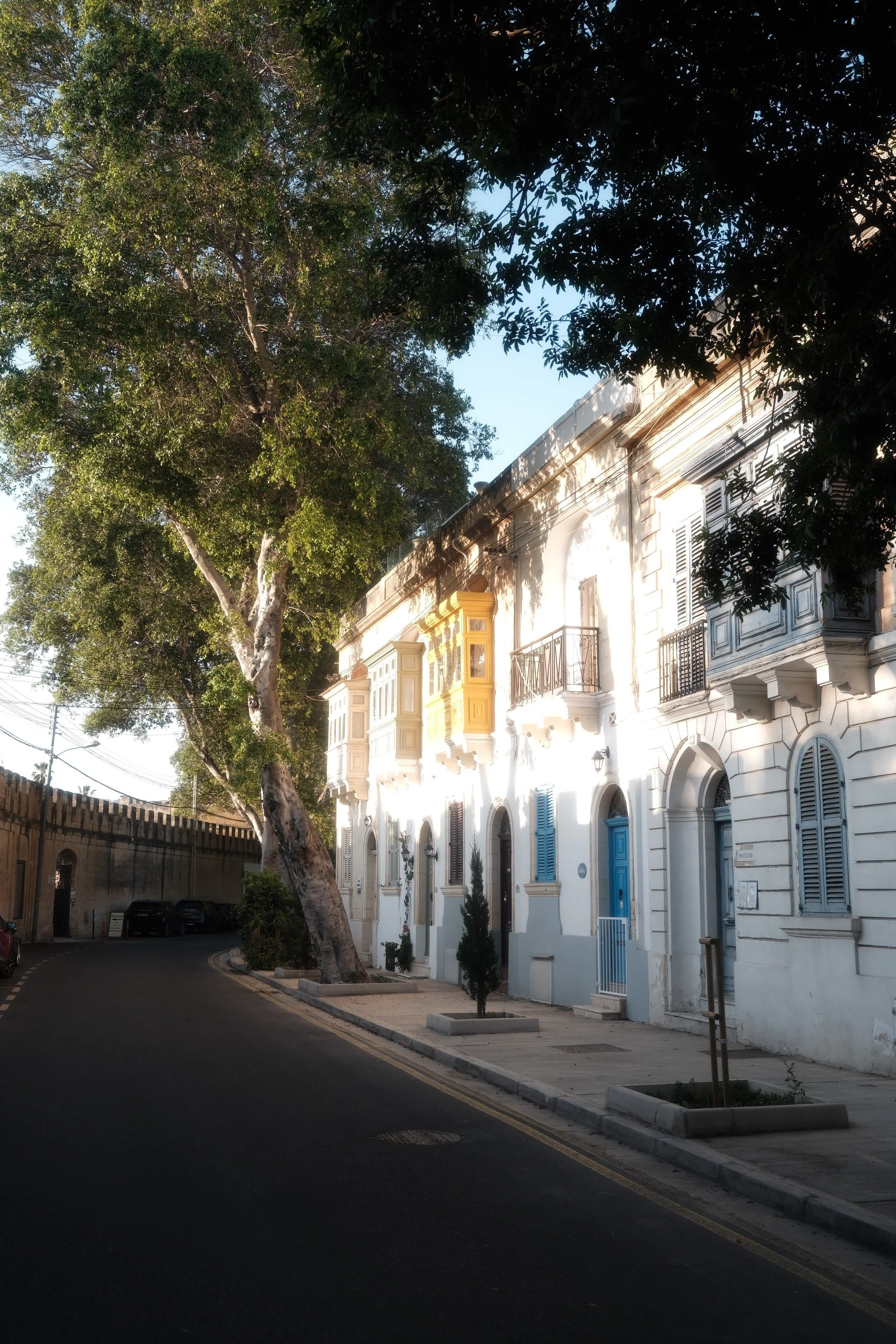
Attard offers a distinct register of Maltese experience one rooted in garden walls, private villas, and measured quiet. The landscape feels curated rather than dramatic, defined by hedged boundaries, shaded avenues, and architectural symmetry softened by greenery. It is less about vantage points and more about environment space that has been cultivated over time rather than carved by defense.
There is an understated confidence to the district. Residences sit behind gates, estates unfold gradually, and the rhythm of the day is unhurried. Even its landmarks express authority through restraint. Attard does not rely on density or visual drama to assert itself; it relies on continuity and proportion.
For the discerning traveler, Attard provides room to exhale. Hospitality, landscape, and history align without spectacle. It is a destination shaped by greenery and composure refined, residential, and intentionally structured. Time here feels expansive, not because of scale, but because of space thoughtfully preserved.
