Is Malta Worth Visiting? What Most Travelers Don’t Realize
Malta is not usually the first Mediterranean destination people consider.
Travelers tend to default to places they already know, the Amalfi Coast, Mykonos, the South of France. These destinations arrive with reputation attached. Malta, by contrast, often sits quietly outside the conversation.
Yet those who do visit tend to say the same thing: they didn’t expect it to feel this layered.
Malta offers something increasingly difficult to find in Europe, architectural beauty, maritime culture, and historic atmosphere without the logistical complexity or overwhelming crowds that define many Mediterranean hotspots. The island is compact, English is widely spoken, and distances between towns are short. A morning in the capital can easily be followed by an afternoon swim or a quiet evening in a walled city.
For travelers looking for a composed Mediterranean experience rather than spectacle, Malta delivers something surprisingly refined.
What Makes Malta Different
Many Mediterranean destinations revolve around beaches.
Malta revolves around place.
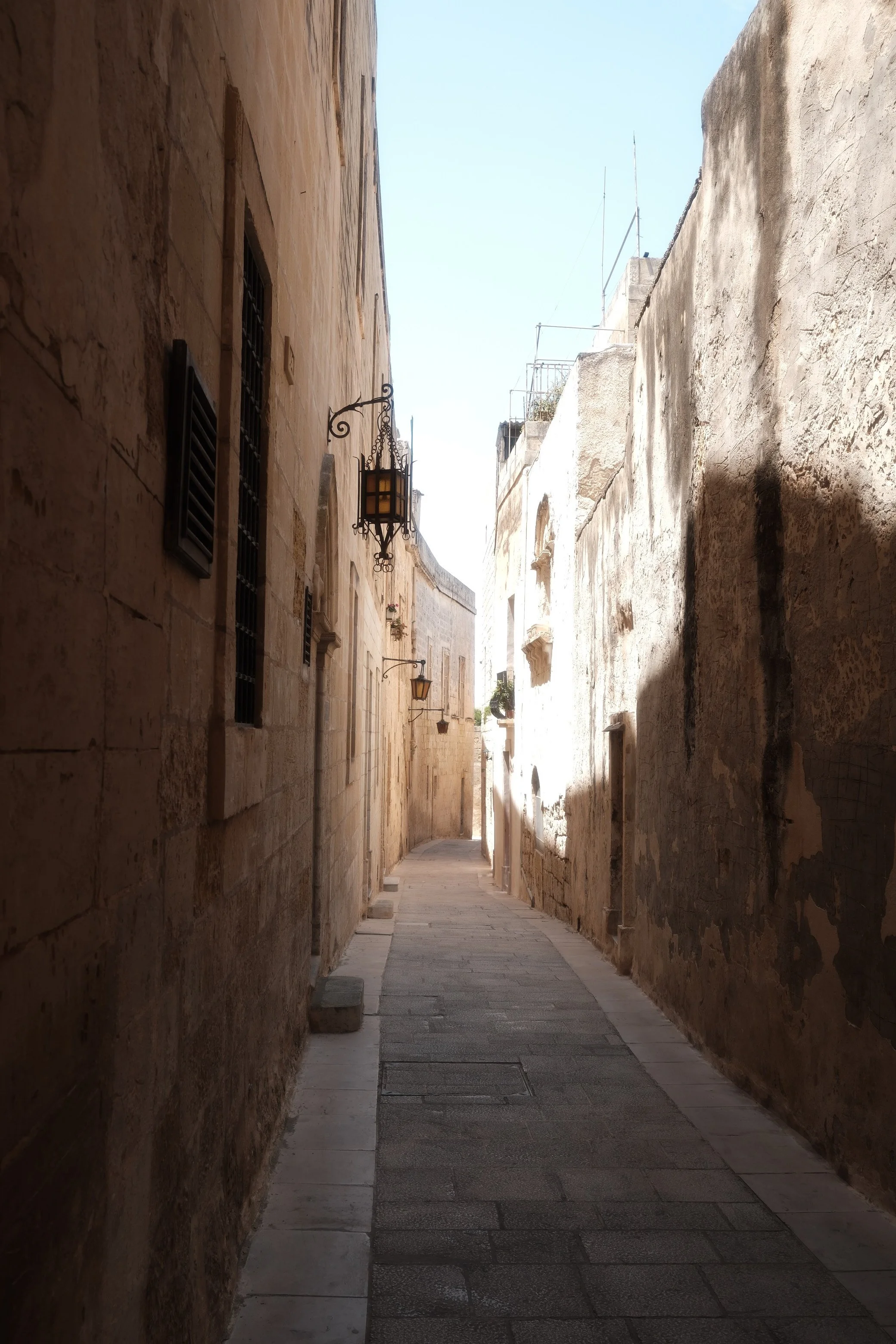
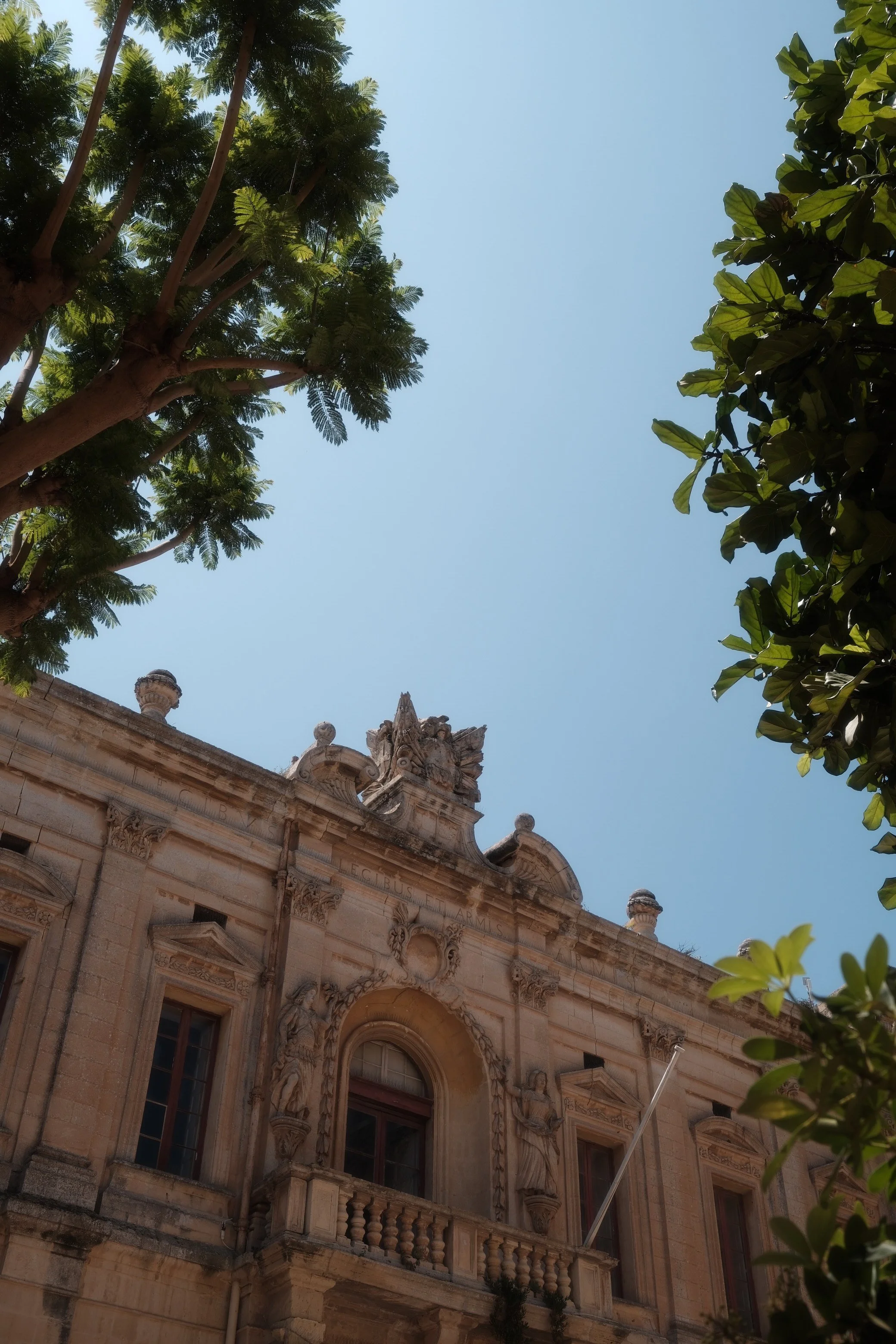
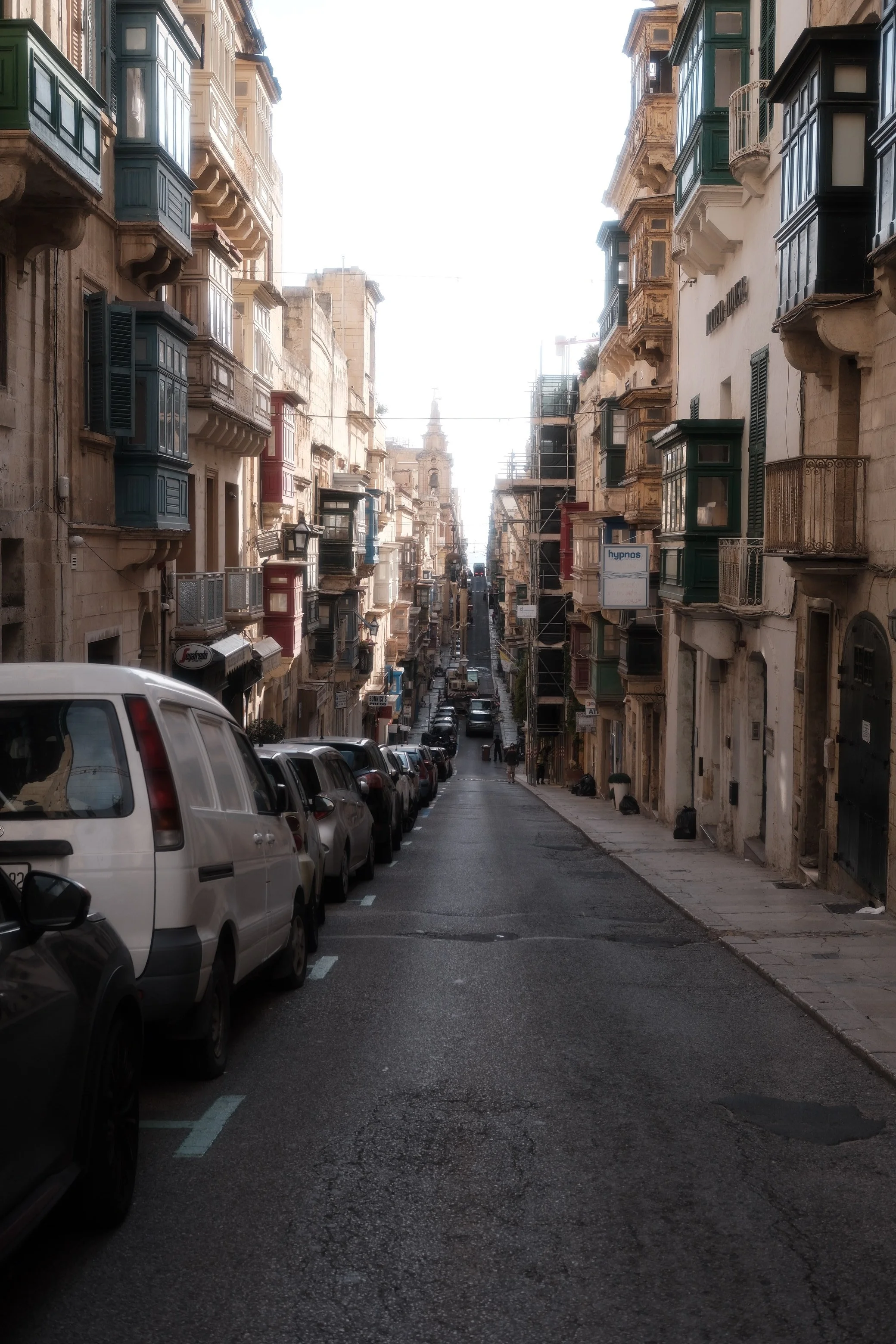
The island’s cities are defined by honey-colored limestone architecture, narrow passageways, and fortifications that rise directly from the sea. In the capital, Valletta, streets unfold toward sweeping harbor views and baroque churches that quietly reveal the island’s long history as a strategic maritime hub.
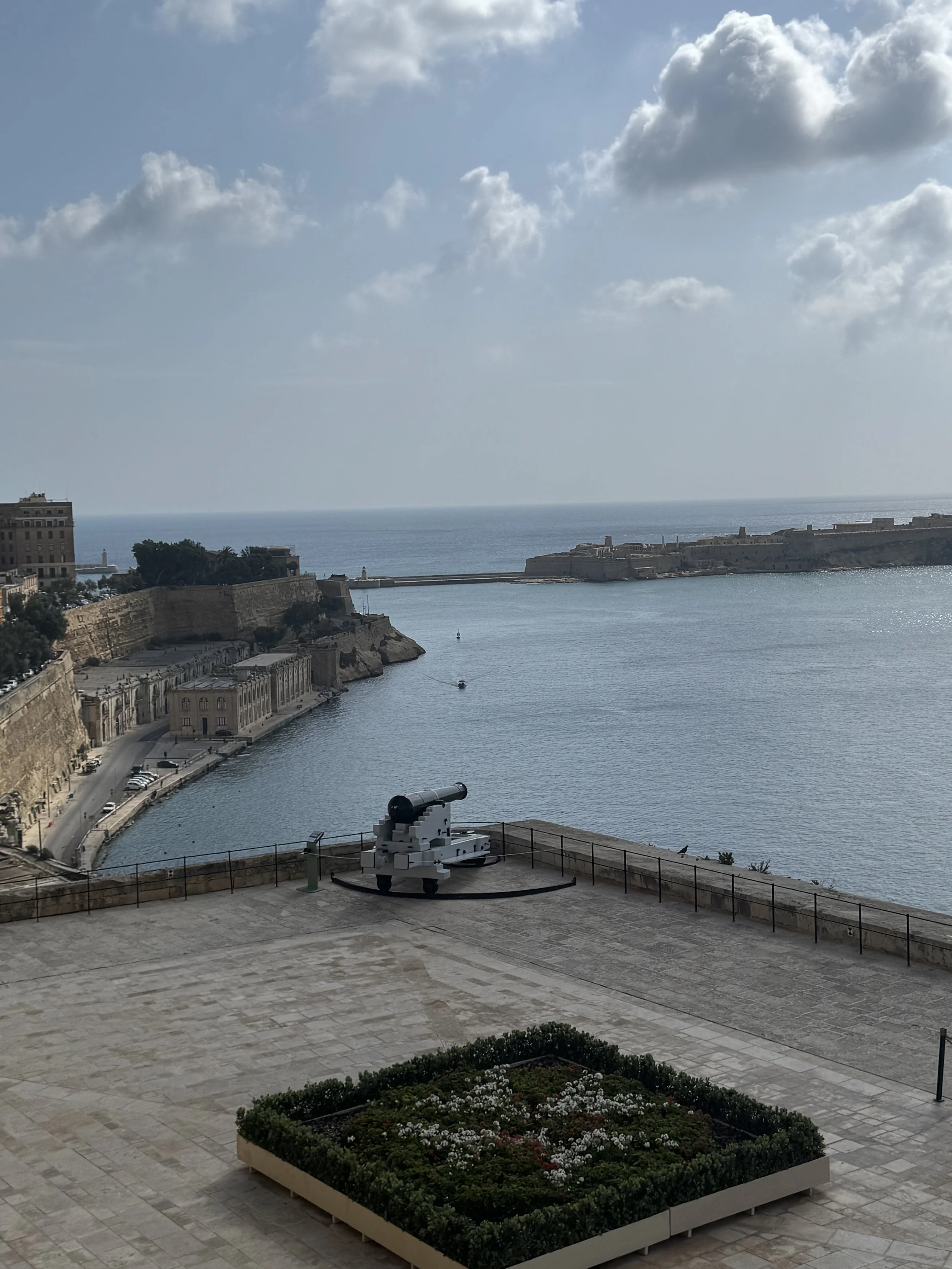
One of the most striking vantage points is found at Upper Barrakka Gardens, where terraces overlook the deep blue water of the Grand Harbour. From here, the island’s geography becomes clear: compact, navigable, and deeply connected to the sea.
Rather than sprawling coastal resorts, Malta’s character comes from cities that have evolved over centuries, each offering its own pace and atmosphere.
Who Malta Is Perfect For
Malta tends to resonate most with travelers who appreciate structure, design, and atmosphere.
The island rewards those who enjoy wandering through historic streets, discovering small cafés tucked into limestone courtyards, and experiencing places where architecture and daily life still intersect naturally.
Creative professionals, entrepreneurs, and travelers looking for a slower Mediterranean rhythm often find Malta particularly appealing. The island’s scale allows you to experience several distinct environments in a single trip — harbor cities, quiet inland towns, and smaller islands just a short ferry ride away.
It is a destination where exploration feels manageable rather than overwhelming.
Who Malta Might Not Be For
Malta may surprise some travelers, but it is not designed for every type of trip.
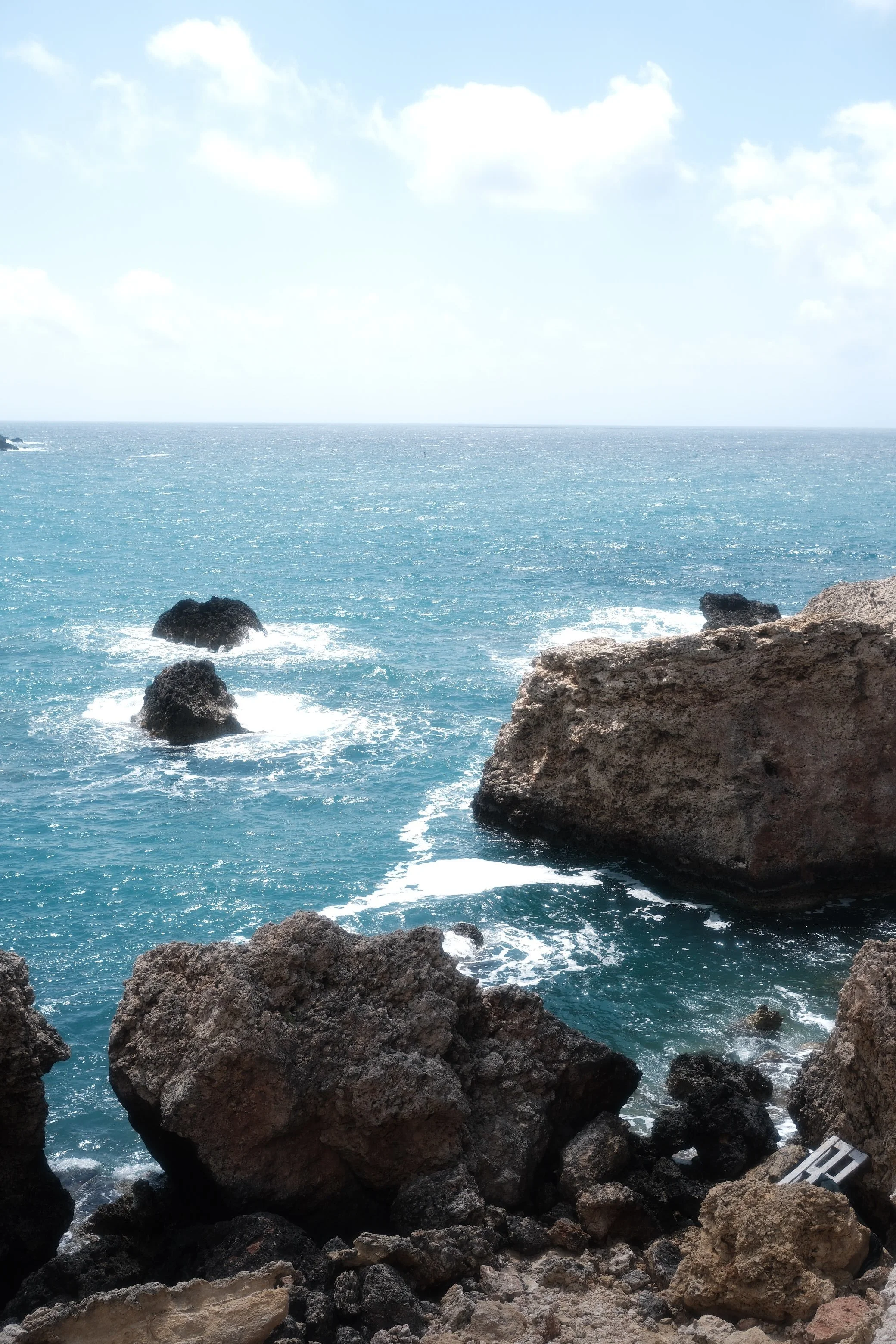
Those seeking long stretches of sandy beach or large resort complexes may find the island different from what they expect. Malta’s coastline is dramatic and beautiful, but much of it consists of rocky cliffs, historic harbors, and swimming coves rather than wide sandy shorelines.
Similarly, travelers looking for intense nightlife scenes may gravitate toward other Mediterranean destinations.
Malta’s appeal is quieter. It lies in atmosphere, architecture, and the subtle rhythm of its cities.
Where the Island Really Shines
To understand Malta fully, it helps to explore beyond just one place.
Valletta, the island’s capital, is often the starting point. Compact yet visually striking, the city blends baroque architecture, sea views, and walkable streets that make it easy to explore on foot.
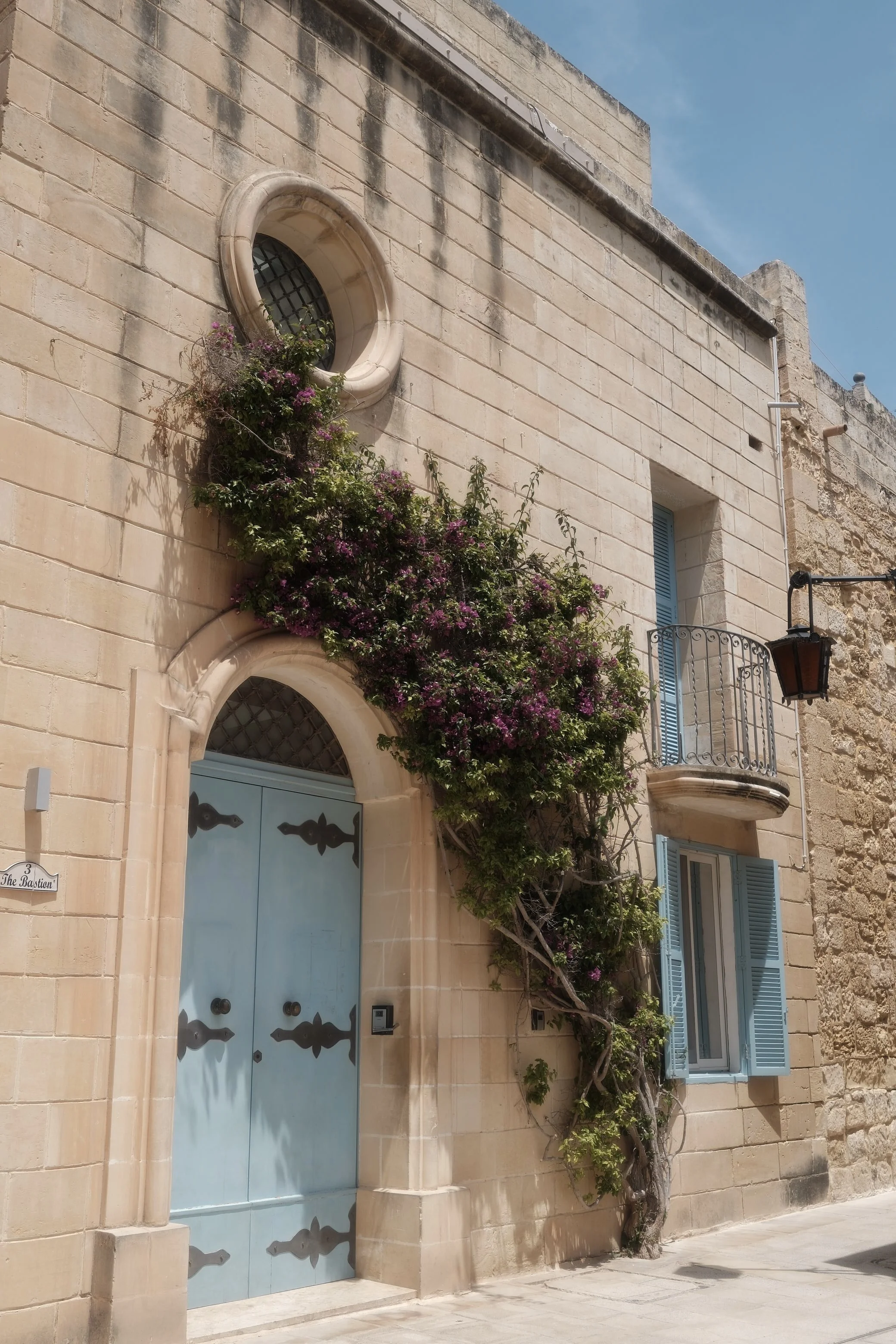
Just a short drive inland lies Mdina — a fortified medieval city often called the “Silent City.” With its narrow stone lanes and absence of traffic, Mdina feels almost suspended in time. Early mornings here reveal a quieter side of the island that many visitors miss.
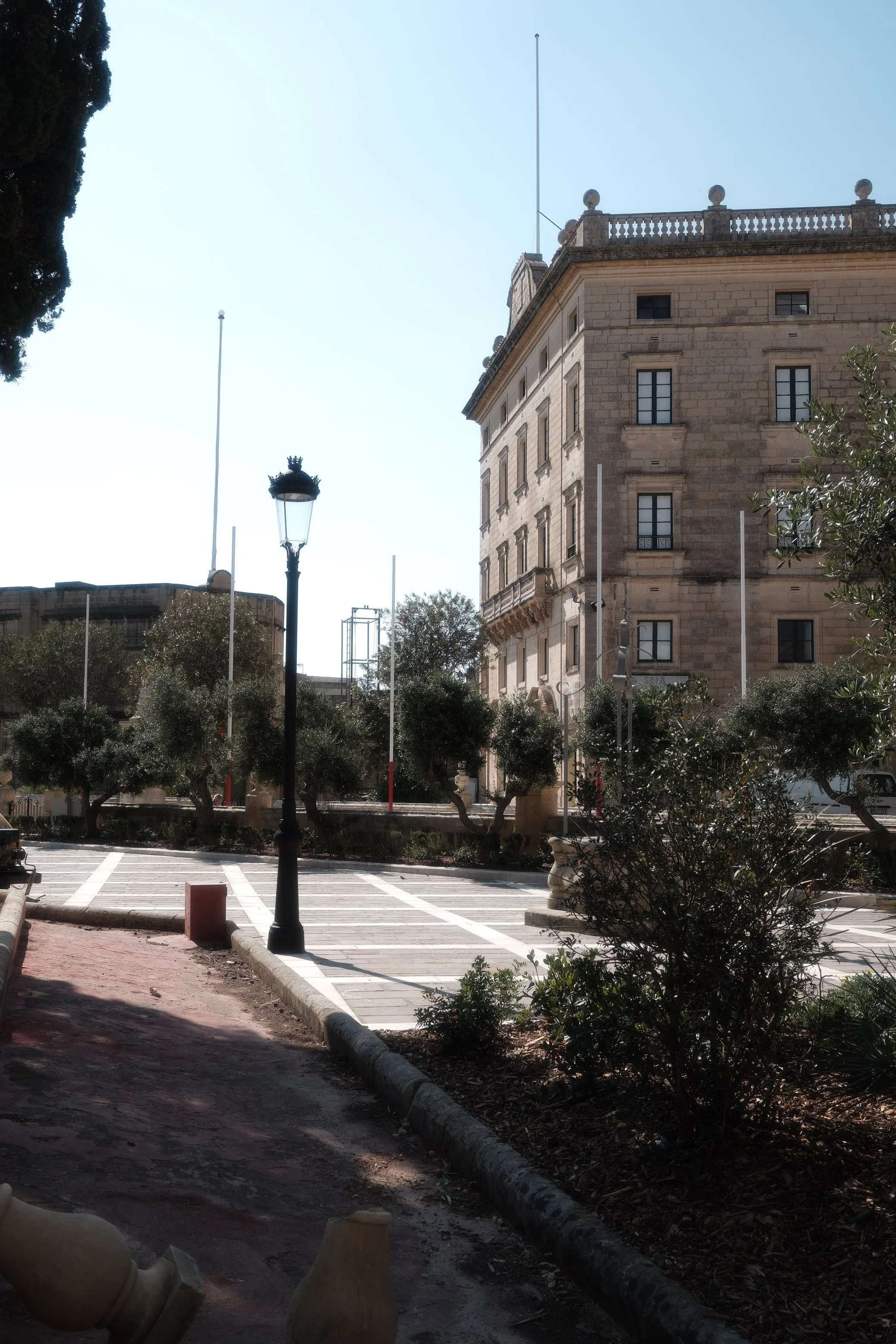
Further into the countryside sits San Anton Gardens, one of Malta’s most elegant green spaces. Surrounded by historic walls and shaded pathways, the gardens offer a different perspective on the island one rooted in cultivated landscape rather than coastal views.
For those willing to venture slightly farther, the neighboring island of Gozo introduces an even slower rhythm, with open countryside, dramatic coastline, and a distinct sense of calm.
Together, these places reveal the island’s layered personality.
The Malta Most Travelers Don’t Expect
What makes Malta memorable is not any single landmark or viewpoint.
It is the feeling of moving between spaces that each offer a different mood, harbor terraces overlooking the sea, quiet walled cities where footsteps echo against limestone streets, and shaded gardens where the pace slows noticeably.
Unlike destinations built around one defining attraction, Malta unfolds gradually. The more time you spend exploring its cities and landscapes, the more its character becomes apparent.
A Mediterranean Destination That Still Feels Discovered
In a region where many destinations have become synonymous with overtourism, Malta occupies a rare position.
It offers the architectural beauty, maritime culture, and warm Mediterranean climate travelers seek but within a setting that still feels navigable and composed.
For those willing to look beyond the obvious destinations, Malta reveals itself as one of the Mediterranean’s most quietly compelling places.
And often, the most memorable trips are the ones travelers didn’t initially expect.
